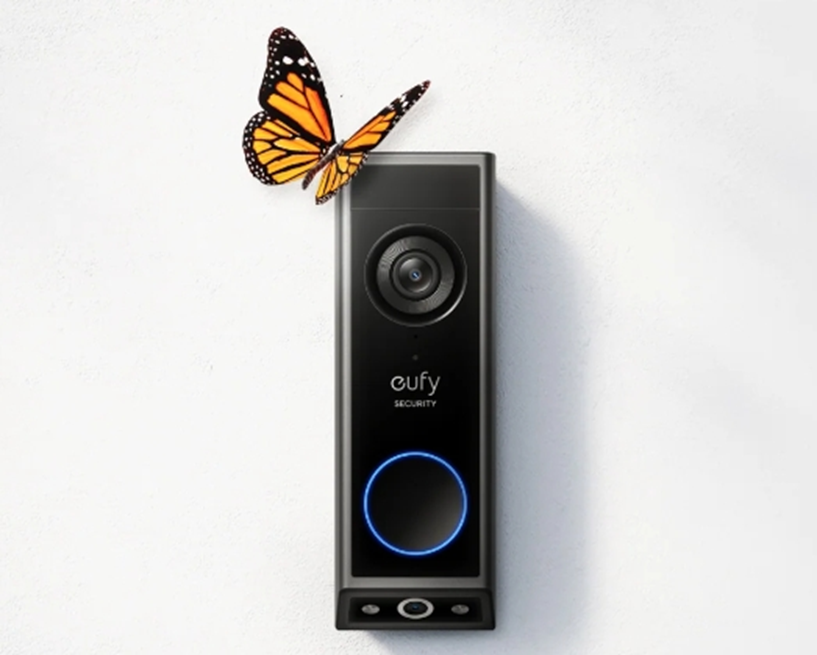
Outdoor cameras are more sophisticated than ever, offering security through motion detection. At their core, these devices are tasked with identifying movement in their field of view. The effectiveness of motion detection relies on multiple factors, from the technology used inside the camera to the external environment where it’s placed. For homeowners and businesses, accuracy in motion detection means fewer false alarms and improved safety. The choice of technology—whether traditional sensors or advanced AI—plays a significant role in these outcomes. As we delve deeper, we’ll analyze different technologies, identify factors affecting accuracy, and explore how brands like eufy are setting new standards. This knowledge will empower you to make informed decisions about your outdoor security needs.
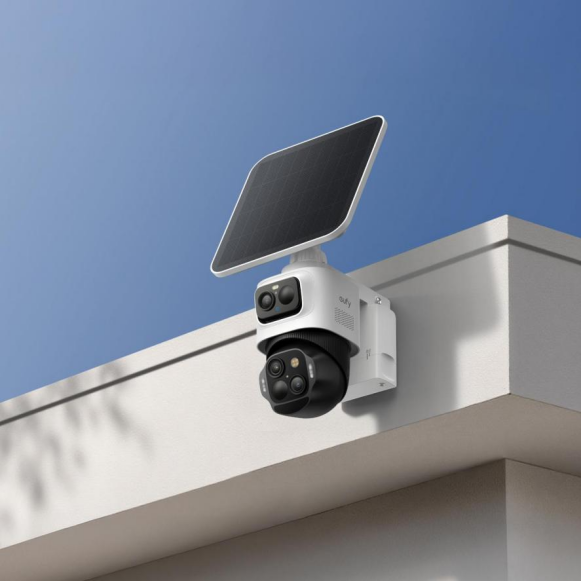
How Outdoor Cameras Detect Motion (Main Technologies)
Passive Infrared Sensors and Heat Detection
Passive Infrared (PIR) sensors are a cornerstone of motion detection in outdoor security cameras. They detect heat emitted by objects, particularly warm-blooded creatures like humans and animals. When an object with a different temperature than the background moves across the camera’s view, the sensor picks up this change, triggering an alert. PIR sensors are valued for their efficiency and cost-effectiveness. They use less power compared to other technologies, making them ideal for battery-operated devices. However, their reliance on heat can be a limitation. On a hot day, distinguishing between temperature changes becomes challenging, which might reduce accuracy. Moreover, these sensors are generally unable to detect movements through obstacles such as glass. Despite these factors, when used in the right conditions, PIR sensors provide reliable motion detection for outdoor security.
AI-Based Motion Detection and Smart Recognition
AI-based motion detection represents the future of outdoor surveillance. By harnessing the power of machine learning, these systems differentiate between meaningful and irrelevant movements. AI algorithms analyze patterns within the camera’s field of view, identifying features typical of humans or vehicles while ignoring trivial motions like swaying branches or flying insects. This reduces false alerts, providing users with precise notifications. Smart recognition further enhances this capability by identifying specific objects or people, allowing tailored security responses. For instance, some systems can alert homeowners when a delivery person approaches or a vehicle enters the driveway. AI-based models also adapt to their environment, learning from previous inputs to improve accuracy over time. As technology evolves, AI not only increases the precision of motion detection but also adds layers of intelligence to outdoor surveillance.
What Affects Motion Detection Accuracy Outdoors
Environmental Factors: Weather, Light, and Placement
Environmental factors significantly influence motion detection outdoors. Weather impacts how sensors detect motion—rain or snow can impede visibility, while fog may affect infrared sensors. Lighting conditions are also critical; low light or nighttime settings can challenge cameras without night vision capabilities. The placement of the camera matters, too. Placing cameras too high might limit their ability to capture detailed movements, while mounting them in congested areas may increase false triggers. Ensuring a clear field of view and minimizing obstructions helps maintain optimal performance. Also, areas with frequent sun exposure might affect certain sensors, leading to false alarms. By considering these elements, users can strategically position outdoor cameras to maximize detection accuracy while minimizing unwanted alerts.
Camera Hardware and Smart Features in Modern Systems
The hardware of a camera plays a crucial role in motion detection accuracy. High-resolution lenses capture finer details, improving identification capabilities. Modern cameras often come equipped with smart features like heat maps and facial recognition, enhancing motion detection precision. These features are supported by robust processors that handle complex data efficiently. Superior hardware ensures quick processing and response times, crucial for real-time alerts. Additionally, innovations like 4K recording provide clearer images, further aiding in distinguishing genuine threats from false alarms. Advanced software complements this hardware, offering customizable settings and AI integration. This combination of technology results in a seamless motion detection system. Cameras from reputable brands like eufy include these modern advancements, delivering reliable and precise outdoor surveillance.
Improving Accuracy and Reducing False Alerts
Custom Motion Zones and Sensitivity Settings
Adjusting motion zones and sensitivity settings is a practical way to improve detection accuracy. Customizable motion zones let users define specific areas where they want to monitor activity, reducing unnecessary alerts from high-traffic zones. For instance, a camera overlooking a backyard can focus on the entrance rather than swaying trees. Sensitivity settings allow users to calibrate their device according to environmental conditions. Lower sensitivity might be suitable for windy days to prevent false alarms, while higher sensitivity ensures no movement goes unnoticed. Many modern systems feature intuitive interfaces for easy adjustments. By leveraging these controls, users can fine-tune their surveillance systems to better match their security requirements and environmental conditions.
Using Advanced Outdoor Cameras Like eufy Models
Advanced outdoor cameras, such as those from eufy, are designed to reduce false alerts while maintaining high accuracy. eufy cameras incorporate cutting-edge technologies, including enhanced AI analysis and human detection, which filter out irrelevant movements like animals or sudden light changes. These models also offer advanced features such as facial recognition, ensuring that only recognized faces trigger alerts. The integration of two-way audio adds another layer of interaction, allowing users to communicate and deter potential threats. Moreover, eufy emphasizes data security, ensuring that users’ footage is stored locally, reducing vulnerability to breaches. With these features, eufy models stand out as reliable solutions for accurate and efficient outdoor monitoring, giving users peace of mind.
Conclusion
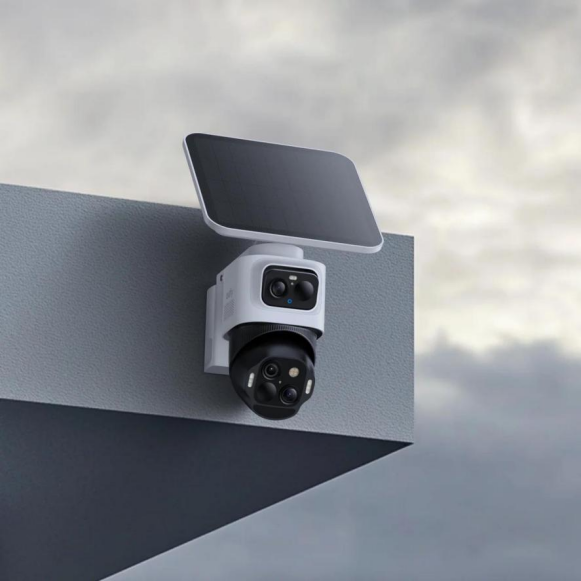
Outdoor cameras play a vital role in modern security. To detect motion accurately, these devices rely on a mix of technology, environmental awareness, and user-defined settings. By understanding the factors influencing performance and leveraging advanced models like eufy, users can significantly reduce unnecessary alerts. Whether utilizing traditional sensors or cutting-edge AI, the choice of technology should meet specific security needs. As these systems evolve, so does their potential to offer thorough and precise outdoor surveillance, ensuring reliable peace of mind.