
Multigenerational living introduces unique energy demands that differ from single-family households. More people share the same space, use more devices, require different appliances at different times, and expect reliable electricity for work, caregiving, and daily routines. When the grid goes down or energy prices spike, those needs intensify. Solar battery banks provide stability and predictability in these complex environments. They help families maintain essential services, reduce electricity costs, and support aging parents and young children who rely on uninterrupted power. A system such as the Anker SOLIX F3000 paired with a 400W portable solar panel demonstrates how high-capacity, fast-charging storage can offer real value for households balancing multiple generations under one roof.

Why Multigenerational Homes Benefit From Solar Battery Banks
Different Age Groups Require Different Levels of Energy Stability
A home shared by grandparents, parents, and children produces overlapping energy needs. Younger family members use laptops, gaming devices, and study equipment throughout the day. Adults working remotely rely on stable power for routers, monitors, and phones. Seniors may require powered medical devices, reliable lighting, and comfortable indoor temperatures. A solar battery bank ensures these layers of daily activity continue even when the grid becomes unstable. With the F3000 capable of running essential 120V appliances while also offering expandability up to 24kWh, families can tailor solar power bank capacity to match real needs. Storage supports everyday routines, health requirements, and comfort expectations without forcing anyone to prioritize one person’s needs over another’s.
Shared Appliances Become More Manageable With Backup Capacity
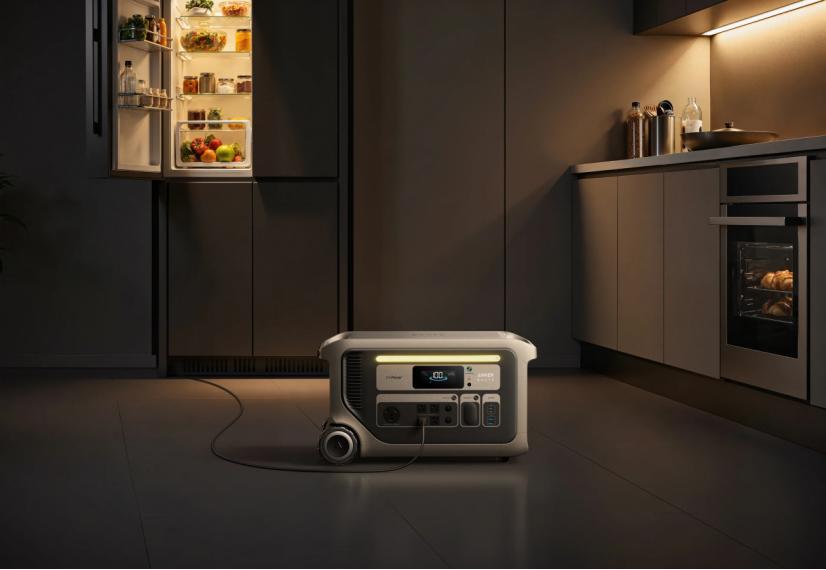
In larger households, refrigerators, freezers, water kettles, microwaves, and shared laundry equipment work harder and more often. During blackouts, these appliances become even more important because they preserve food, enable meal preparation, and help maintain hygiene. The F3000’s ultra-low idle consumption allows it to keep an 8 cu.ft fridge cool for almost two days, which matters greatly for households storing meals for many people. Pass-through charging also lets families run appliances while recharging from solar or fuel generator sources, providing flexibility during extended outages. Backup capacity reduces stress across generations because essential appliances stay reliable instead of becoming points of tension.
Solar Integration Reduces Energy Burdens for Larger Families
Energy costs scale significantly when more people live in the same home. Solar battery banks offer a practical way to lower monthly bills using stored off-peak energy or captured solar power. The F3000’s self-consumption and time-of-use modes allow families to reshape how they consume electricity. Instead of all peak-hour loads falling directly on the grid, stored energy can sustain part of the household during expensive hours. Over time, this eases financial pressure. With multigenerational homes often pooling resources or managing fixed incomes, this type of energy optimization delivers meaningful savings without requiring lifestyle sacrifices.
How Solar Battery Banks Strengthen Daily Living in Shared Households
Backup Power Supports Health, Comfort, and Daily Routines
When several generations share a home, outage resilience becomes more than convenience—it becomes essential. Children may need charged devices for school; adults may have remote work obligations; seniors may rely on medical equipment or climate-controlled rooms. A high-capacity system like the F3000 provides steady 3,600W pass-through power and dual-voltage solar input for rapid recharging. This ensures vital equipment continues operating without interruption. Families can keep lights on, maintain communication, and preserve medication or refrigerated food. In households balancing the needs of many people, uninterrupted power represents stability, safety, and peace of mind.
Flexibility Supports Diverse Lifestyles Under One Roof
Multigenerational homes often juggle different lifestyles—work schedules, cooking habits, entertainment patterns, and sleep cycles. A flexible energy system helps avoid conflicts. Because the F3000 can expand up to 24kWh and recharge fully in under two hours with high-input solar, families gain the ability to support multiple activities simultaneously. Someone can run power tools for home repairs while others cool the house or cook meals. RV-friendly features such as an Anderson port and TT-30R outlet also help families who share travel vehicles or temporary outdoor spaces. The system adapts to the household’s changing rhythms instead of imposing limits.
Long-Term Storage Stability Helps Families Plan Ahead Confidently
A solar battery bank is more than emergency gear—it becomes a core household asset. Multigenerational homes often plan for long-term stability: caring for elderly parents, raising children, and preparing for economic unpredictability. Energy security fits into that long-term view. With low idle consumption allowing multi-day standby and solar recharging that restores full capacity in roughly 1.5 hours, families can rely on the system during storms, seasonal outages, or unexpected grid failures. The predictability of stored energy empowers households to protect vulnerable members and maintain routines without stress. It turns backup power into a reliable, everyday tool rather than a last-minute solution.
Conclusion
Multigenerational homes depend on energy solutions that are flexible, reliable, and capable of supporting diverse needs simultaneously. Solar battery banks deliver all three by stabilizing essential appliances, reducing monthly energy costs, and providing dependable backup during outages. The Anker SOLIX F3000 paired with a 400W portable solar panel demonstrates how fast solar charging, ultra-low idle consumption, strong pass-through capabilities, and expandable storage contribute to a resilient household. When several generations share a home, the ability to maintain comfort, health, and communication becomes a priority. A well-designed solar power bank offers that stability—allowing families to thrive together while staying prepared for whatever the grid may bring.